

How to Deal with Humidity in Shell-Form Properties in Malta and Gozo
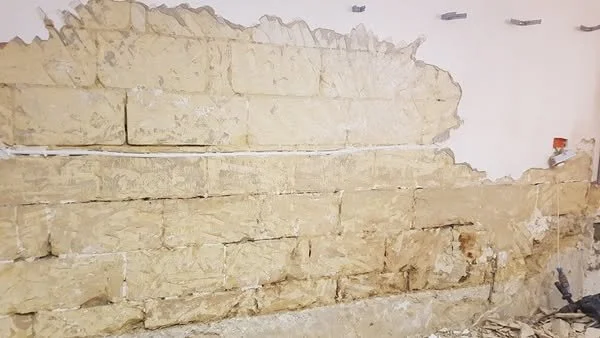
Walls damaged by humidity
Buying a shell-form apartment or penthouse in Malta is exciting: you get a blank canvas. But along with the freedom comes one hidden challenge many new owners underestimate humidity.
If you don’t think about it early, damp walls, mould, and peeling paint can show up just months after you’ve moved in.
Here’s how to anticipate the problem, what solutions exist before and after the works, and what they mean in terms of cost, timing and comfort.
Why humidity is such a big deal here
The climate: Hot summers, humid winters, and salty sea air make walls “sweat” easily.
Limestone: Local stone is beautiful but naturally porous, it absorbs and releases water.
Shell-form condition: At delivery, there is no protection yet against rain, leaks or condensation.
👉 unless you prepare for it, you’ll get mould in corners, salt marks on walls, or a constant damp smell.
Step 1: Anticipate before works start
The cheapest and most effective time to deal with humidity is before you start the finishes.
Seal the roof and terraces: good waterproofing avoids rain seeping through.
Check windows and doors: make sure frames are sealed properly, otherwise water and air sneak in.
Choose breathable plasters and paints: walls need to “breathe” instead of trapping moisture.
Plan ventilation: bathrooms and kitchens should have fans or an extraction system.
👉 Think of it like building the raincoat and the lungs of your apartment before you add the pretty layers.
Step 2: During the works
When the fit-out begins:
Allow plaster and screed to dry fully before painting or laying timber floors. Rushing here is the main reason damp shows later.
Use temporary dehumidifiers during winter months to speed up drying.
Keep an eye on details: slopes on balconies, sealing around pipes, proper drains.
Step 3: After moving in
Even with a well-prepared shell, daily life produces humidity — showers, cooking, drying clothes. Simple habits help:
Run bathroom fans and keep a gap under the door for air to flow.
Open windows for short bursts to refresh the air without losing too much heat.
Use a portable dehumidifier in winter if rooms feel clammy.
Don’t push furniture right up against external walls: it blocks air circulation.
The solutions in plain terms

(Prices are rough averages for Malta/Gozo in 2025, excluding VAT.)
How long does it take?
Surveys and checks: a few days.
Waterproofing and sealing: 1–2 weeks depending on weather.
Drying of walls and floors: several weeks, sometimes months if it’s humid.
Installing fans or dehumidifiers: 1–2 days.
So factor this into your timeline before moving in, otherwise you’ll be living in a construction site with damp walls.
Why it pays off
Investing in humidity prevention means:
Longer-lasting finishes (your paint and plaster won’t bubble or peel).
A healthier home (no mould spores or musty smells).
Lower running costs (ventilation and insulation reduce the need for constant AC).
Higher resale value buyers know a dry home from a damp one immediately.
Final thought
Humidity is not just “bad luck.” It’s part of life in Malta and Gozo but with the right planning in the shell-form stage, you can control it. Think of it as building invisible comfort into your home: you’ll never see it, but you’ll feel the difference every day.
