

Water Quality in Gozo: What Every Foreign Homeowner Needs to Know
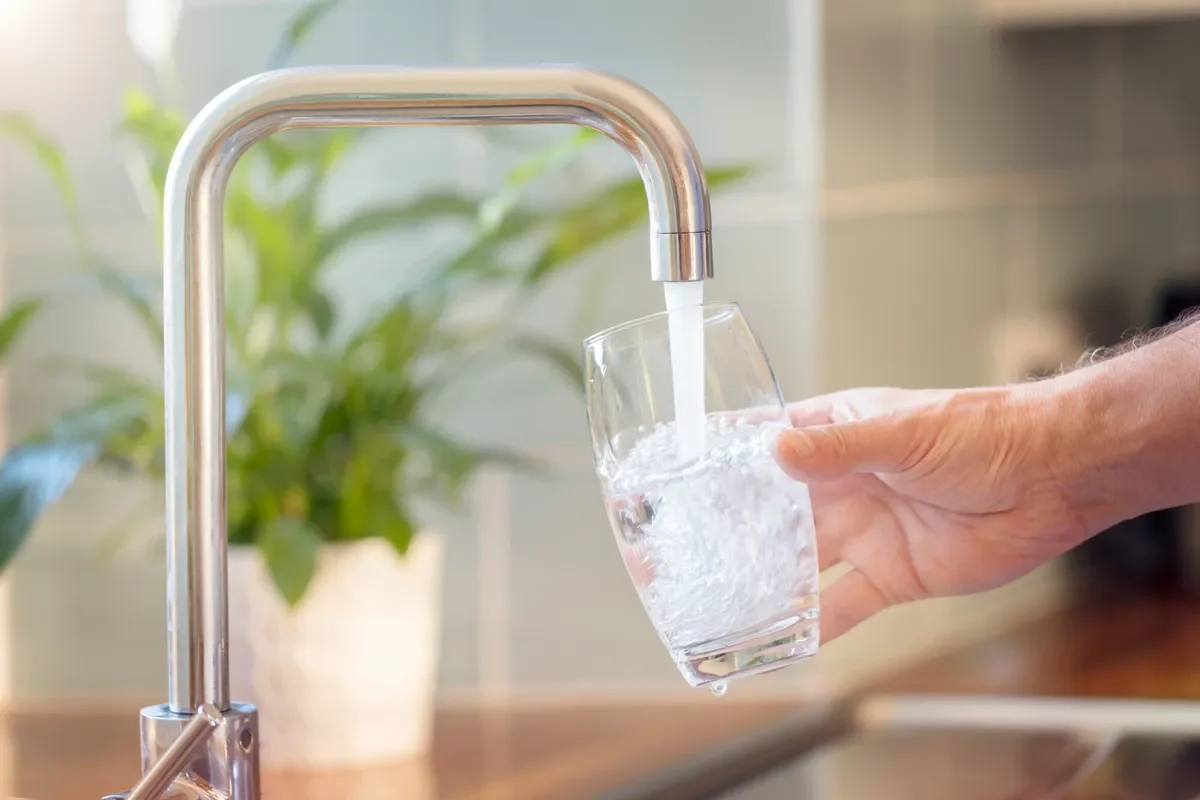
Hard water quality in Gozo Malta, what foreign homeowners need to know about water treatment
If you have recently bought a property in Gozo, or you are in the process of renovating one, water quality is probably not the first thing on your mind. You are thinking about finishes, layouts, contractors. But water is one of those practical realities that will affect your daily life, your fixtures, your appliances, and the long-term condition of your home from day one.
And in Gozo or Malta, it deserves serious attention.
Something Most Buyers Never Find Out Until They Move In
The water system in a typical Gozitan property does not work the way most Europeans expect. There is no single source feeding every tap. There are two, and they behave very differently.
The kitchen tap is connected directly to the street mains. This is a legal requirement in Malta, not just a convention. The water that comes out of your kitchen sink is the same water that has just left the municipal distribution network, treated and pressurised by the Water Services Corporation.
Everything else, your showers, your bathroom basins, often your washing machine, is fed from a tank sitting on the roof of the building. Mains water fills this rooftop tank, and a pressure pump then distributes it through the rest of the property. If you notice the water pressure rising slightly a second or two after you open a tap, that is the pump kicking in. That is your signal that you are using tank water, not mains.
This distinction matters more than it might seem.
Two Sources, Two Different Water Profiles
The Kitchen: Direct Mains
Mains water in Gozo comes from a combination of reverse osmosis desalination and local groundwater. It is heavily mineralised, with hardness levels that regularly exceed 400 mg/L as calcium carbonate, well above the 200 mg/L threshold that most appliance manufacturers consider problematic. It is also chlorinated at the treatment stage to meet public health standards.
The water is technically safe to drink, but most residents quickly stop drinking it unfiltered. The taste and smell are the first things you notice. The mineral deposits on your kettle and coffee machine are the second.
The Bathrooms: Rooftop Tank Water
The water that reaches your showers and bathroom basins has been through an extra stage: it has sat in a plastic tank on the roof, often exposed to direct sunlight and high ambient temperatures.
This changes its profile in ways that are not immediately obvious.
Free chlorine is volatile. In a warm plastic tank under the Maltese sun, chlorine degrades over time rather than concentrating. What tends to accumulate instead is more insidious: chlorination byproducts, specifically trihalomethanes, which form when residual chlorine reacts with organic matter in stored water. Plastic compounds can also leach into the water, particularly in tanks that are ageing or have not been properly maintained.
The result is water that many residents find even more aggressive on skin and hair than straight mains water, even though its composition is different rather than simply more chlorinated.
There is also a hygiene dimension. A rooftop tank that is not cleaned regularly can develop algae, sediment, and in some cases bacterial biofilm on the interior walls. The annual cleaning recommended for these tanks involves emptying, scrubbing, shock disinfection with bleach, and a full rinse. When this is done poorly or incompletely, residual disinfectant can produce strong odours and further compromise the water quality in the days that follow.
The Tank Itself: A Decision Worth Making Carefully
In the vast majority of Gozitan properties, the rooftop tank is made of polyethylene plastic. It is the default, largely because it is the cheapest option and the easiest to install. But it is not the only option, and when you are renovating from scratch, the choice of tank material is worth thinking through deliberately.
Plastic tanks have a fundamental limitation: their interior walls are porous enough to allow biofilm to develop. Over time, and particularly in the heat of a Maltese summer, algae establishes itself on the inner surface. Cleaning it out requires emptying the tank completely, scrubbing the walls, shock disinfecting with bleach, and rinsing thoroughly. This should happen annually. In practice, it almost never does, and most tanks in Gozo have not been cleaned in years, if ever. Beyond the biological issue, plastic degrades under prolonged UV exposure, becoming brittle and more prone to leaching compounds into the stored water. A plastic tank typically needs replacing after ten to fifteen years.
A stainless steel tank behaves very differently. Its smooth, non-porous surface does not support algae or biofilm growth. It does not leach chemicals into the water regardless of temperature. Cleaning, when needed, is a simple rinse rather than a full scrubbing operation. A quality stainless steel tank lasts twenty to thirty years without significant maintenance. The upfront cost is higher, but over the lifetime of a renovation, the difference narrows considerably when you factor in replacement costs and the ongoing burden of maintaining a plastic tank properly.
For a renovation project where the rooftop tank is being replaced or specified from new, stainless steel is the recommendation worth making. Grade 304 is suitable for most residential applications. Grade 316 offers additional corrosion resistance and is worth specifying for coastal properties or where the budget allows. The tank is not visible, it is not a design element, but it is one of the more consequential decisions in the whole water system.
What This Does to Your Home
Tapware and showerheads are the most visible casualties. Limescale builds up inside and outside fittings within months, clogging aerators and reducing flow. If you have invested in quality tapware, and most design-conscious buyers do, the deterioration is noticeable quickly.
Shower screens and stone surfaces are under constant attack from mineral deposits. Glass loses its clarity. Polished stone and ceramic surfaces accumulate a dull film that standard cleaning products struggle to shift.
Appliances accumulate scale internally. Kettles, coffee machines, dishwashers, and washing machines all suffer. Efficiency drops, lifespan shortens, and some manufacturer warranties become void if water hardness thresholds are exceeded.
Hot water systems are particularly vulnerable. Scale builds up around heating elements, forcing them to work harder. Energy consumption rises, and early failure is common.
Skin and hair respond quickly to this water combination. Chlorine and its byproducts strip the scalp of sebum, the natural oil that keeps hair and skin protected. The result is dryness, brittleness, itching, and in some cases worsening of existing skin conditions. Many expats arriving from France, Germany, or Scandinavia notice a marked change in the condition of their hair and skin within weeks. This is not imagined. It is a direct consequence of what is coming out of the showerhead.
The Two-Part Solution Worth Planning For
There is no single fix. But there is a proven combination that addresses both the hardness and the contamination issues effectively.
1. A Whole-House Water Softener
A softener is installed at the point where mains water enters your property, before it feeds the rooftop tank or any other distribution point. It works through an ion exchange process, replacing the calcium and magnesium ions responsible for hardness with sodium ions. The result is soft water throughout the entire house, from the first stage of distribution.
For Gozo's hardness levels, a unit rated for high-load conditions is necessary. A well-specified softener such as the BWT Bewamat 25 handles the mineral load without constant regeneration cycles. Day to day, it runs automatically. The only ongoing requirement is periodic replenishment with salt blocks, typically one to two 25 kg bags per month for a standard household.
One important note: softened water is not recommended for drinking, precisely because of the sodium exchange. This is where the second element comes in.
2. An Under-Sink Reverse Osmosis Unit
An RO unit is installed under your kitchen sink, at the one point in the house that is already fed by direct mains. It provides purified drinking and cooking water at a dedicated tap, removing virtually all dissolved minerals, chlorine, and other contaminants through membrane filtration. The water it produces is clean, neutral in taste, and suitable for daily consumption.
This is the standard configuration that most informed homeowners and design professionals in Gozo recommend. The softener protects your infrastructure from the point of entry. The RO unit provides high-quality water at the point of consumption.
3. A Shower Filter: More Important Here Than Elsewhere
In most countries, a shower filter is a comfort product. In Gozo, given the rooftop tank dynamic, it is something worth treating as a practical necessity.
Tank water feeding your shower carries not just hardness but chlorination byproducts and potential plastic compounds that mains water does not. A KDF-based shower filter, installed between the pipe and the showerhead, addresses the chlorine and heavy metal load effectively. It does not soften the water, but it significantly reduces the chemical exposure during showering, which is where most of the impact on skin and hair occurs.
Chrome or stainless steel finishes are available and integrate cleanly into bathroom design. Filter cartridges need replacing roughly every six to twelve months depending on usage. Installation requires no specialist plumbing.
If you or anyone in your household has sensitive skin, eczema, or colour-treated hair, this is not optional. It is one of the highest-impact, lowest-cost interventions available.
When to Think About All of This
Ideally, water treatment is planned before construction or renovation work is completed.
A whole-house softener needs a dedicated location near the incoming water supply, with access to a drain for its regeneration cycle. Space is often tight in traditional Gozitan properties, particularly razzett conversions and houses of character. Retrofitting after walls and floors are finished means unnecessary disruption.
The rooftop tank is also a variable. When you take on a shell form property or an older building, the state of the existing tank is unknown. Assessing its condition, age, and last cleaning date should be part of your pre-renovation checklist. In some cases, replacement is the right answer. In others, a thorough cleaning and a softener upstream is sufficient.
If you are converting a shell form property or carrying out a full renovation, this is the moment to plan everything: the softener location, the pipework route, the RO connection under the kitchen sink, the shower filter roughing-in for each bathroom. These details belong in the construction drawings from the start. Doing it later is always more expensive and more disruptive.
A Practical Checklist for Gozo Homeowners
Before or during your renovation, work through the following:
Confirm your incoming water hardness. Levels in Gozo typically run between 350 and 450 mg/L, but your specific supply may vary.
Identify where your rooftop tank is, assess its age and condition, and establish when it was last cleaned. If unknown, treat it as overdue.
If the tank is being replaced or specified from new, choose stainless steel over plastic. Grade 304 is the minimum. Grade 316 for coastal properties or where budget allows.
Allocate space for a whole-house softener near the water entry point, before the rooftop tank, with access to power and a drain.
Include an under-sink RO unit in your kitchen design from the start, so the dedicated tap and pipework are planned into the cabinetry layout.
Specify a shower filter for each bathroom, particularly primary bathrooms and ensuites. Factor the filter housing into your tapware and shower specification.
Budget for salt delivery as an ongoing cost. A typical household uses one to two 25 kg bags per month.
Check appliance warranties. Some manufacturers specify maximum hardness thresholds as a condition of coverage. A softener upstream protects that investment.
The Bottom Line
Water in Gozo is not a minor inconvenience to manage with descaler tablets and bottled mineral water. It is a structural reality of the island that affects every surface, every appliance, and every person in the house, in ways that compound over time.
Understanding that your kitchen and your bathrooms are drawing from two different sources, with different treatment profiles and different risks, is the first step. Planning the right response into your renovation, before a single pipe is laid, is how you protect both the property and the people living in it.
If you are working through the design and specification of a Gozitan property and want guidance on how to integrate water treatment into your project properly, this is exactly the kind of detail that belongs in a complete design file from the start.
