

How Long Does a Renovation Really Take in Gozo? A Realistic Timeline
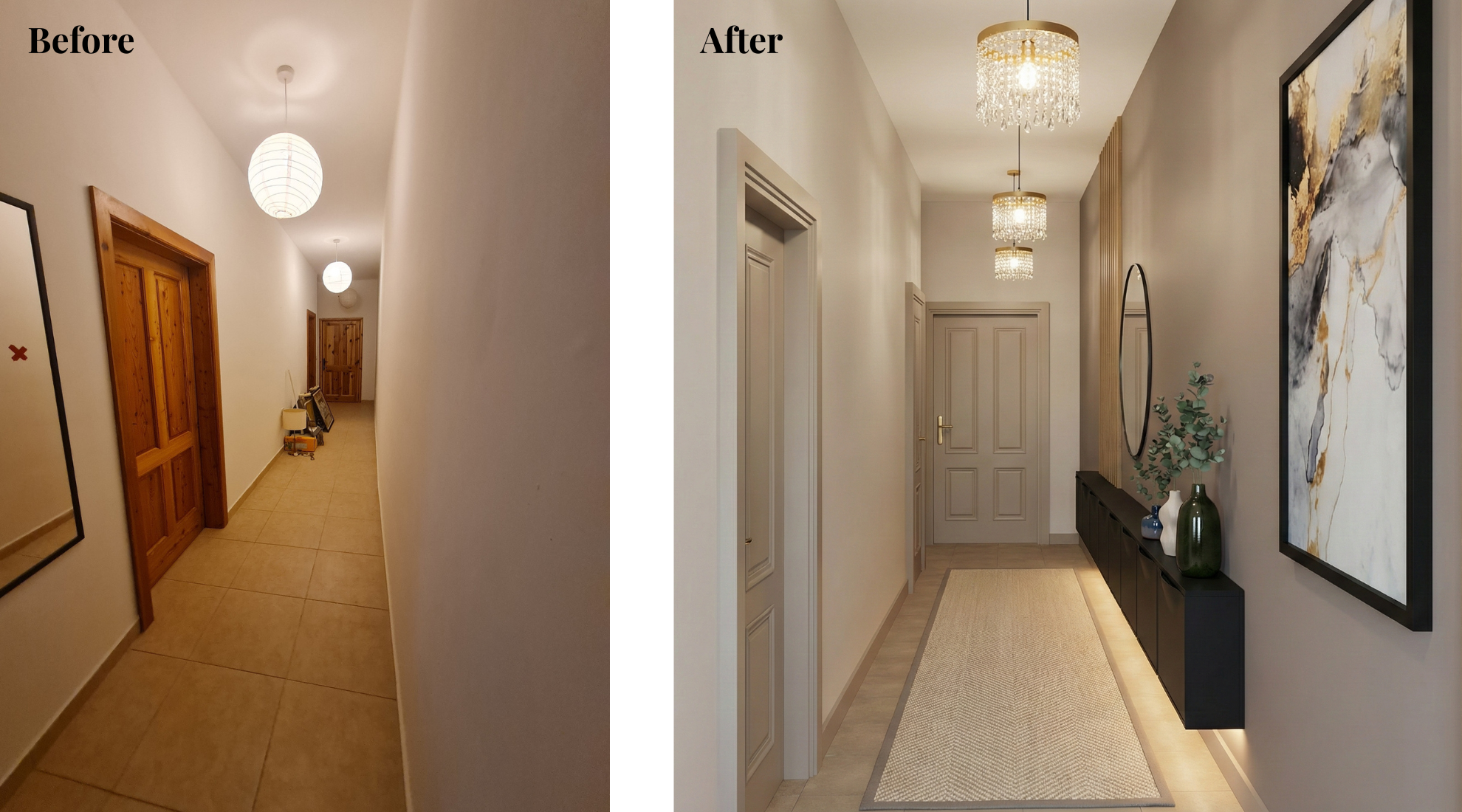
Renovation project in Xlendi Gozo
“Three months, maybe four.” That is what most expats say when they start planning a renovation in Gozo. It is also, in most cases, significantly off the mark.
Renovation timelines in Gozo are longer than in mainland Europe, not because the trades are slower, but because the island has its own rhythm, its own constraints, and its own logic. Understanding that logic before you start is the difference between a project that runs smoothly and one that stalls, restarts, and costs more than planned.
Here is a realistic picture of what to expect, phase by phase.
Phase 1: Design and technical documentation
Realistic duration: 4 to 8 weeks
Before any contractor is contacted, the technical work needs to be done. This means a finalised floor plan, electrical drawings, lighting design, plumbing layout, and a complete finishes schedule covering floors, walls, joinery, kitchen, and bathrooms.
Most expats underestimate this phase or skip it entirely. That is the single most common cause of delays and budget overruns later in the project.
If you are working with a designer, this phase takes 4 to 8 weeks depending on the complexity of the project and the speed of your own decision-making. If you arrive at a contractor without this documentation, you are not ready to start (regardless of what the contractor tells you).
Phase 2: Contractor selection and quoting
Realistic duration: 2 to 6 weeks
Once your drawings are complete, you can approach contractors for quotes. In Gozo, this phase takes longer than most people expect for two reasons.
First, the pool of available contractors is small. Gozo has a limited number of qualified tradespeople and serious renovation companies. The best ones are booked months in advance.
Second, quotes in Gozo are rarely returned quickly. Follow-up is often required, and comparing quotes line by line takes time if the documentation is good, and considerably more time if it is not.
Plan for at least 2 to 4 weeks to receive comparable quotes from two or three contractors, and another week or two to review, negotiate, and sign.
Phase 3: Materials sourcing and ordering
Realistic duration: 4 to 16 weeks (running in parallel)
This is the phase most expats do not plan for, and the one most likely to cause a site to grind to a halt.
In Gozo and Malta, almost everything is imported. Lead times on materials are real and significant:
Tiles: typically 3 to 8 weeks from order to delivery, depending on origin. Italian tiles ordered through a Maltese supplier can take 6 to 10 weeks.
Kitchen furniture: 8 to 14 weeks for Italian-manufactured kitchens once the order is confirmed and measurements are signed off.
Bathroom furniture and sanitaryware: 4 to 8 weeks for standard items, longer for custom or imported pieces.
Windows and doors: 4 to 10 weeks depending on material and manufacturer, if replacing apertures or adding internal doors.
Flooring: 3 to 8 weeks depending on origin and quantity.
The critical point: materials need to be ordered before or immediately at the start of works, not midway through. A kitchen that arrives 12 weeks after works begin means 12 weeks of a finished space waiting for its kitchen. That delay is entirely avoidable with proper sequencing.
Phase 4: Construction works
Realistic duration: 4 to 16 weeks depending on scope
The construction phase of a renovation breaks down into distinct stages, each of which depends on the previous one being complete.
First fix (structural works, electrical rough-in, plumbing rough-in): 2 to 5 weeks. This covers any structural changes, chasing of electrical and plumbing channels into walls, and installation of pipes and cables before walls are closed. In an existing property, it also includes the removal of any elements being replaced: old kitchen, old bathroom fittings, damaged flooring.
Plastering and screeding: 1 to 3 weeks, followed by a drying period of at least 2 to 4 weeks before tiling can begin. In Gozo’s humid climate, rushing this step produces cracked plaster and adhesion failures in tiles. This drying time cannot be compressed.
Tiling (walls and floors): 2 to 6 weeks depending on surface area and tile format. Large-format tiles take longer to lay correctly.
Second fix (electrical, plumbing, joinery installation): 2 to 4 weeks. This is when sockets, switches, light fittings, sanitaryware, and kitchen units are installed.
Painting and finishing: 1 to 3 weeks.
These stages overlap to some extent, but they also depend on one trade completing before another can start. An electrician cannot complete second fix until joinery is installed. A kitchen cannot be fitted until flooring is laid. Sequencing matters, and disruptions to it create compounding delays.
Phase 5: Furniture delivery and styling
Realistic duration: 2 to 6 weeks
Once works are complete, furniture ordered from Maltese showrooms or Italian suppliers needs to be delivered and installed. If orders were placed early in the project, this phase can overlap with the final weeks of construction. If orders were left until works were finished, add 8 to 14 weeks of waiting on top of an already complete site.
For custom-made joinery or pieces shipped from abroad, the same logic applies: the earlier the order, the less waiting at the end.
What causes delays specifically in Gozo
Beyond the standard renovation risks, Gozo has a few specific dynamics worth knowing.
Trade availability. There are fewer skilled tradespeople on the island than demand requires. An electrician or tiler may be working across three sites simultaneously. When one job overruns, yours waits. This is not negligence, it is arithmetic. The solution is to secure your trades early and have your materials ready so that when they arrive on site, there is nothing holding them up.
The ferry. Every delivery to Gozo crosses the Channel. Large deliveries (furniture, tiles, sanitaryware) require coordination with freight operators and the Gozo Channel schedule. Delays on the water, during peak periods or rough weather, do happen.
Decision delays. The single most controllable cause of timeline overruns is delayed decision-making by the client. When a finish choice is not confirmed, a contractor stops. When a tile is out of stock and the replacement is not chosen immediately, the site waits. Having all decisions made before works start eliminates this category of delay entirely.
Holy Week and August. Two periods when the island slows to a near-complete stop. Contractors take holidays, showrooms close, deliveries pause. If your works overlap with either period, build additional weeks into your timeline.
Realistic total timelines
For a complete renovation of an apartment or house, adding all phases together with realistic overlaps:
Minimum realistic timeline (well-prepared, no delays): 5 to 7 months from design start to furnished home
Average timeline (some delays, normal decision pace): 8 to 12 months
Common experience (no upfront planning, decisions made on site): 12 to 18 months or more
For a partial renovation (kitchen replacement, bathroom renovation, or a single room), timelines are proportionally shorter, but the same principles apply. Materials still need to be ordered early. Trades still need to be secured in advance.
The one thing that changes everything
Every phase of the timeline described above is compressed when the project starts with complete technical documentation.
When a contractor receives accurate drawings, they can price correctly, order materials with confidence, and sequence the work without interruption. When a kitchen supplier receives a technical specification with exact dimensions, they can manufacture without back-and-forth. When tiles are selected from the drawings before works begin, they are on site when the tiler arrives.
The 4 to 8 weeks invested in design and documentation at the start is not an addition to the project timeline. It removes weeks and months of delays further down the line.
How I can help
My role is to complete the full technical package before works begin: floor plan, electrical drawings, lighting design, plumbing layout, and finishes specification. This gives your contractor everything needed to quote accurately, start without interruption, and deliver a result that matches what was planned.
I also accompany you through showroom and supplier visits to finalise material selections, so that orders are placed at the right moment and nothing is waiting when it should already be on site.
